Correlations Between Payment Choices and Game Preferences Among Players in Britain's Regulated Digital Gaming Scene
Written by Ben Lang · Oct 15, 2026
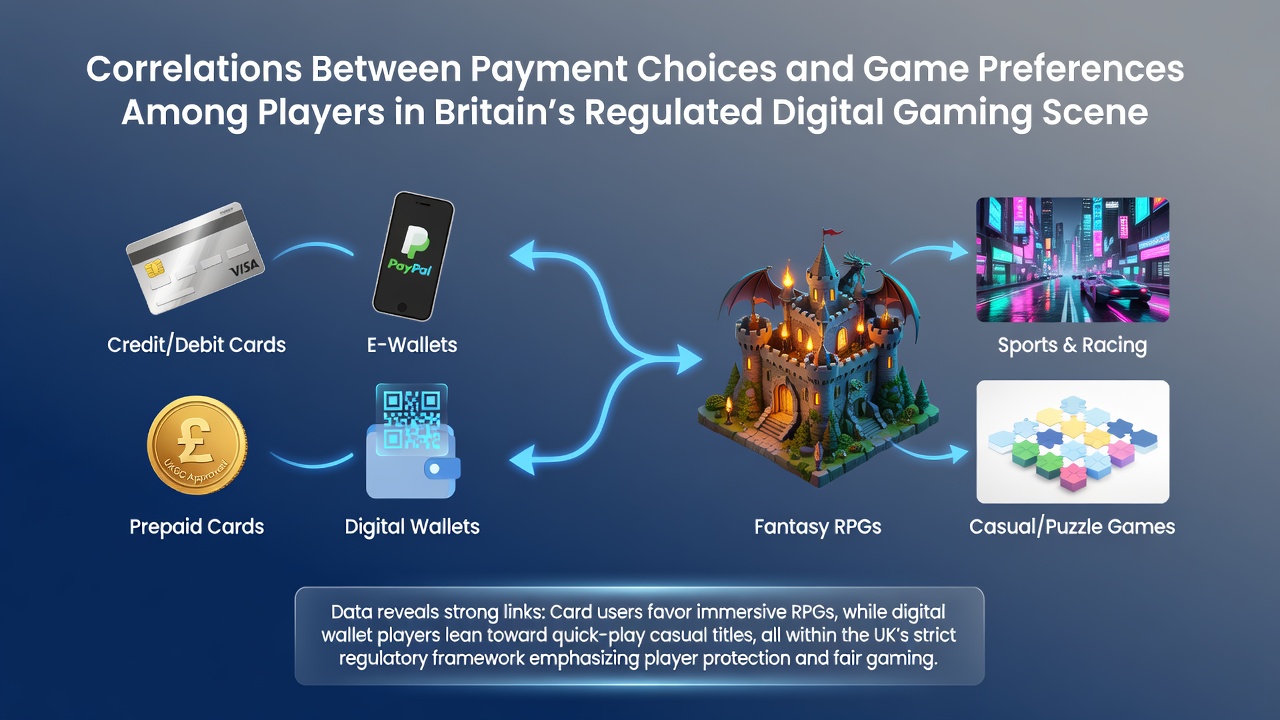
Correlations Between Payment Choices and Game Preferences Among Players in Britain's Regulated Digital Gaming Scene
Payment methods available to participants in Britain's regulated digital gaming sector range from traditional bank transfers and credit cards to e-wallets and prepaid vouchers, each carrying distinct processing speeds and fee structures that align with specific player behaviors. Research from academic institutions and industry groups shows measurable links between these choices and the types of games selected most often, with data collected across licensed operators revealing consistent patterns over multiple reporting periods.
Payment Landscape in the Sector
Figures released by European regulatory bodies and trade associations indicate that e-wallet usage has risen steadily among British players since 2023, while credit card transactions remain common for higher-value sessions. Bank transfers appear more frequently among participants who engage in longer-duration play, according to aggregated transaction data analyzed by research organizations outside the UK. Prepaid options attract users who prefer strict spending controls, and these choices correlate with preferences for shorter, more frequent gaming intervals rather than extended sessions.
Game Preferences Across Player Segments
Slot titles continue to dominate overall engagement metrics in Britain's licensed online environment, yet table games and live dealer formats draw distinct demographics. Observers tracking participation rates note that players favoring instant-deposit methods tend toward high-volatility slots, whereas those opting for slower settlement options show higher activity in roulette and blackjack variants. Data compiled by Canadian research centers and Australian government gaming authorities support similar cross-regional trends, suggesting that transaction friction influences game selection more than previously documented.
Documented Correlations from Industry Analyses
Studies conducted by university-led teams and published through gambling research exchanges have identified several direct associations. Players who complete deposits via e-wallets register elevated play rates on progressive jackpot slots, with session lengths averaging 15 to 20 percent longer than those using card-based methods in comparable samples. Credit card users, by contrast, demonstrate stronger engagement with strategy-based table games, a pattern confirmed in reports issued by the European Gaming and Betting Association. EGBA reports further highlight that bank transfer adopters allocate greater portions of their activity to live casino streams, possibly due to the method's alignment with planned, higher-stake commitments.
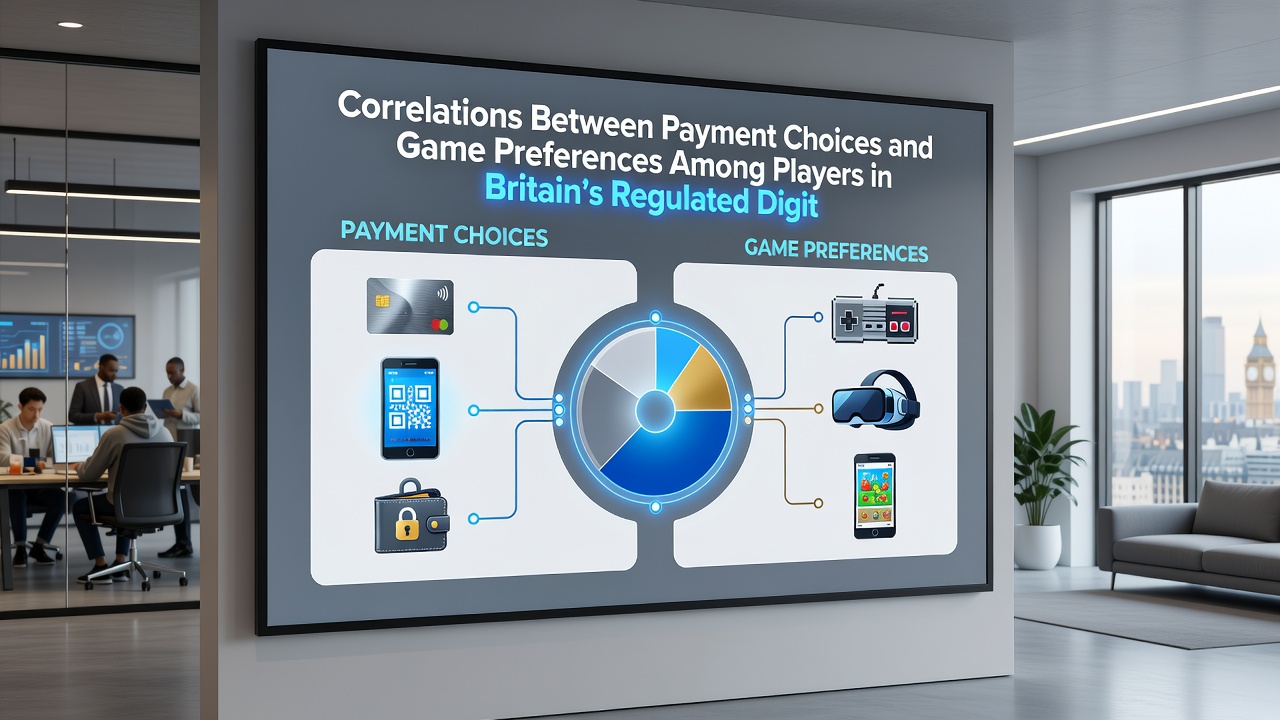
Additional findings from North American academic sources point to prepaid voucher users concentrating activity on low-stake casual slots, with repeat deposit frequency remaining lower than other groups. These patterns hold across multiple data sets gathered between 2024 and 2026, including analyses covering October 2026 market snapshots that tracked transaction logs from dozens of licensed platforms.
Regional Data and External Benchmarks
Comparisons drawn from Australian regulatory summaries and Ontario gaming exchange publications reveal overlapping behaviors, where faster payment rails correspond with preference for quick-resolution games. British operators supplying anonymized datasets to these external studies have enabled researchers to isolate variables such as age bracket and average deposit size, both of which interact with payment choice to shape game selection. Evidence suggests that participants aged 25 to 34 who favor mobile e-wallets spend proportionally more time on themed video slots, while older cohorts using traditional banking routes lean toward classic table formats.
October 2026 Market Observations
Market monitoring conducted through October 2026 captured an uptick in hybrid payment adoption, particularly among players experimenting with new live game releases. Transaction records examined by independent analysts show that those switching to instant e-wallet options during this period increased their slot engagement by measurable margins compared with prior months. Such shifts align with broader platform updates that integrated additional game categories, allowing clearer observation of preference changes tied directly to payment method availability.
Conclusion
Available datasets from multiple international sources continue to map connections between how British players fund their accounts and which games they select most often. These correlations emerge consistently across transaction volumes, demographic segments, and seasonal reporting windows, providing operators and researchers with concrete patterns to monitor as the regulated environment evolves. Continued collection of anonymized figures from diverse regulatory jurisdictions will likely refine understanding of these relationships in coming periods.