Decoding Payment Gateway Efficiencies for Rapid Transactions in Britain's Regulated Online Gaming Sector
Written by Felix Schmid · Aug 20, 2026
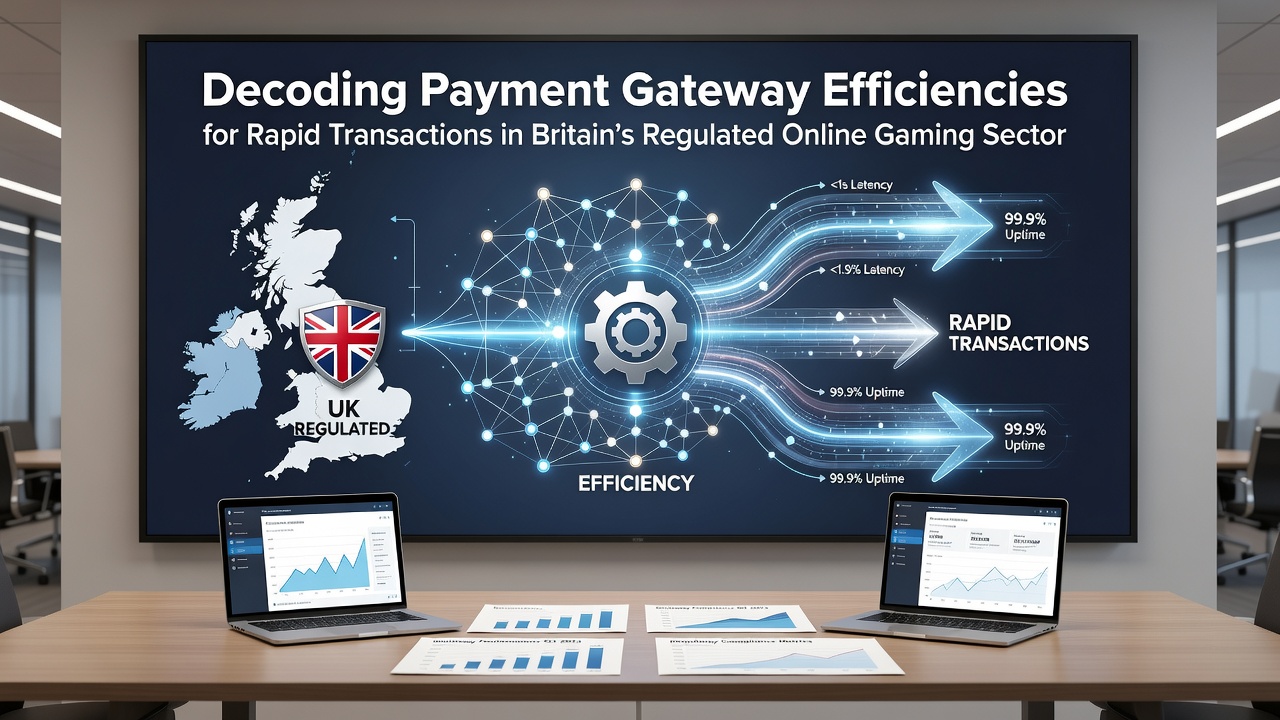
Decoding Payment Gateway Efficiencies for Rapid Transactions in Britain's Regulated Online Gaming Sector
Britain's regulated online gaming sector relies on payment gateways that handle high volumes of transactions while meeting strict compliance standards, and these systems have evolved to support faster processing times through advanced encryption and real-time verification protocols. Data from industry reports shows that operators integrate multiple gateway providers to reduce latency, allowing deposits and withdrawals to complete in seconds rather than minutes, which supports seamless player experiences across desktop and mobile platforms. Observers note that efficiencies often stem from partnerships with established financial networks, where automated fraud detection algorithms scan each transfer without interrupting the flow.
Core Technologies Driving Speed and Reliability
Payment gateways in this space utilize application programming interfaces that connect directly with banking systems and digital wallets, enabling instant authorization checks that minimize delays during peak hours. Research indicates that tokenization methods replace sensitive card details with unique identifiers, which speeds up recurring transactions while maintaining security layers required by regulatory frameworks. Those who've analyzed transaction logs find that gateways employing machine learning models predict and prevent bottlenecks, rerouting payments through alternative channels when primary networks experience congestion.
But here's the thing: not all gateways perform equally under Britain's specific compliance demands, so operators frequently test multiple configurations to identify the ones that balance speed with audit readiness. Figures reveal that average processing times have dropped significantly since the introduction of open banking integrations, which allow direct account-to-account transfers without intermediary card networks. Experts have observed that these shifts benefit both players seeking quick access to funds and operators managing settlement cycles that must align with financial reporting deadlines.
Regulatory Influences on Gateway Selection
Regulatory bodies across Europe enforce standards that shape which gateways operators can deploy, with directives emphasizing consumer protection and anti-money laundering controls that indirectly influence transaction speeds. According to analyses from the European Gaming and Betting Association, gateways must incorporate dynamic checks that verify player identities in real time, yet these processes have been optimized to avoid adding noticeable friction. Data shows that jurisdictions outside the UK, such as those following Australian interactive gaming guidelines, provide comparative models where similar efficiency gains appear through standardized reporting tools.
What's interesting is how operators in Britain adapt these international practices locally, often selecting gateways certified under multiple frameworks to ensure cross-border compatibility for international players. Studies from research institutions highlight that such certifications correlate with fewer rejected transactions, which in turn improves overall throughput during high-traffic periods like major sporting events. And yet the reality remains that each gateway choice involves trade-offs between speed, cost per transaction, and the depth of compliance reporting it generates.

Performance Metrics and Industry Benchmarks
Transaction success rates serve as key indicators of gateway efficiency, with top-performing systems maintaining approval rates above 95 percent across diverse payment methods including cards, e-wallets, and bank transfers. Reports compiled by the American Gaming Association document how these benchmarks translate into measurable reductions in player drop-off rates, particularly when withdrawals process within the same day. Observers tracking sector trends note that August 2026 saw several providers release updated APIs that further compressed settlement windows, allowing operators to reconcile accounts more rapidly and allocate resources toward platform enhancements.
One study revealed that gateways incorporating blockchain-based verification layers achieved consistent sub-second confirmations for certain digital asset transfers, although adoption remains selective due to varying regulatory acceptance levels. Those who've examined operational data discover that combining traditional card rails with newer instant payment schemes creates redundancy, ensuring continuity even if one channel experiences temporary slowdowns. The ball's in the operators' court when it comes to monitoring these metrics continuously, since small improvements compound across millions of monthly transactions.
Emerging Patterns in Gateway Optimization
Case examples from regulated markets demonstrate that gateways integrated with player loyalty systems can pre-approve transactions based on historical behavior, shaving additional seconds off routine deposits. Research indicates this approach maintains full compliance because each approval still undergoes automated regulatory screening before funds move. What's significant is the way these optimizations scale: larger operators deploy custom middleware that aggregates data from multiple gateways, generating unified dashboards for real-time oversight.
Turns out that geographic diversification of gateway providers also contributes to resilience, with some firms routing European traffic through one set of processors while handling other regions separately. Evidence suggests this strategy reduces single-point failures and supports the rapid transaction demands that define competitive online gaming environments. People who've implemented such setups report smoother operations during regulatory audits, since transaction trails remain clearly segmented and traceable.
Conclusion
Payment gateway efficiencies in Britain's regulated online gaming sector continue to advance through technological refinements and strategic provider selections that prioritize both speed and compliance. Data from varied international sources confirms that these developments support higher transaction volumes without compromising the safeguards expected by regulators and participants alike. As systems mature, the focus remains on measurable improvements in processing times, success rates, and operational transparency that collectively define the sector's trajectory.