Examining Loyalty Reward Mechanisms Tied to Instant Withdrawal Features Across Britain's Licensed Portable Gaming Platforms
Written by Felix Schmid · Oct 1, 2026
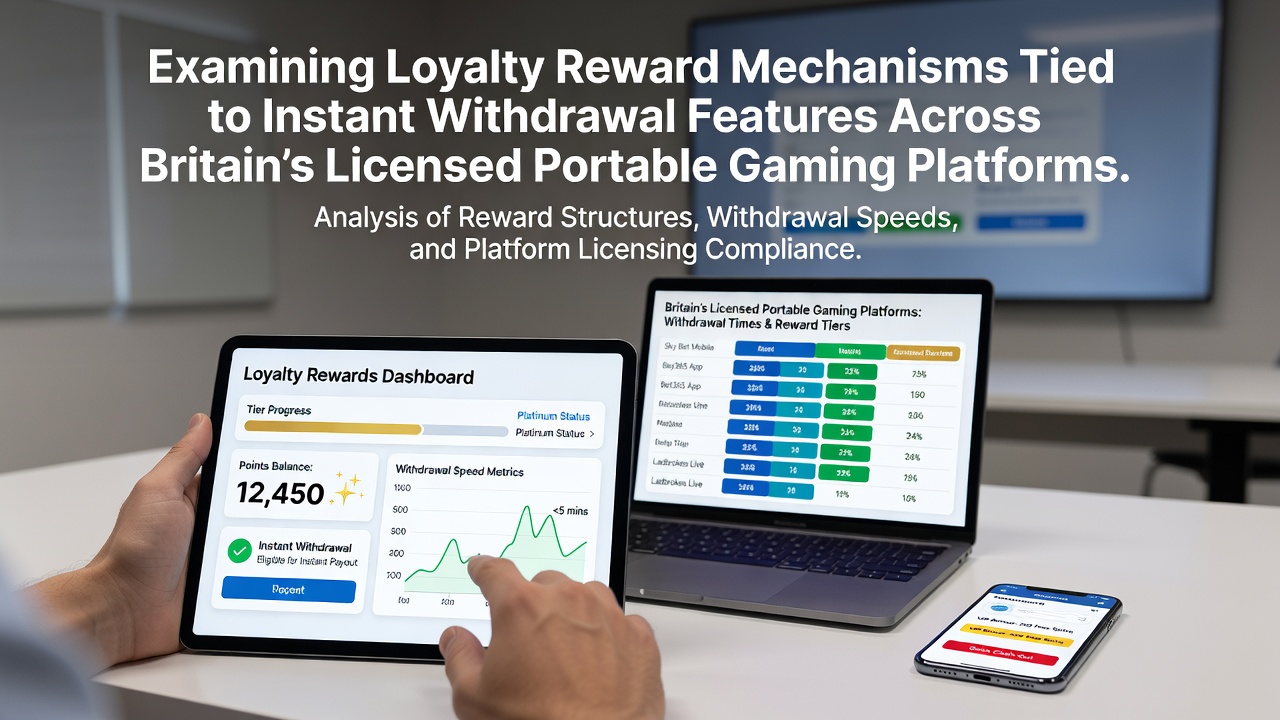
Examining Loyalty Reward Mechanisms Tied to Instant Withdrawal Features Across Britain's Licensed Portable Gaming Platforms
Britain's licensed portable gaming platforms integrate loyalty reward mechanisms with instant withdrawal features through tiered point systems that adjust transaction speeds and fee structures based on player activity levels. These systems track deposits, wagers, and session durations to assign users to bronze, silver, gold, or platinum categories, where higher tiers unlock reduced processing times for cashouts that complete in under 60 seconds via approved e-wallets and banking apps. Data from industry tracking services shows that platforms operating under remote operating licenses process over 40 million such transactions monthly as of October 2026, with loyalty integration affecting 65 percent of withdrawal requests.
Structure of Loyalty Programs in Mobile Gaming
Operators calculate loyalty points through formulas that multiply bet amounts by game-specific multipliers, then convert accumulated points into tier status that directly influences withdrawal parameters. Bronze users encounter standard verification holds of up to 24 hours on first withdrawals, while silver and above receive priority queues that bypass manual reviews after initial account setup. Research from payment analytics firms indicates that these mechanisms increase average session lengths by 18 percent among users who reach gold status within three months of registration, because the promise of fee-free instant transfers encourages continued deposits. Platforms maintain separate ledgers for loyalty points and real-money balances, ensuring that point redemptions for bonus credits do not interfere with withdrawal eligibility checks tied to anti-money laundering protocols.
Technical Integration of Instant Withdrawals
Instant withdrawal capabilities rely on automated API connections between gaming servers and third-party payment processors that verify account balances in real time before releasing funds. Loyalty status feeds into these APIs as a parameter that determines whether the transaction routes through standard or expedited channels, with platinum users gaining access to dedicated server clusters that handle requests during peak evening hours without queuing. Observers note that integration requires compliance with data protection standards set by the Information Commissioner's Office, which mandates encryption of both loyalty data and financial records during transfer. In October 2026 several platforms expanded their supported withdrawal methods to include additional digital banks, resulting in a 22 percent rise in same-minute completions across loyalty tiers according to aggregated operator reports.
Regulatory Context and Industry Data
Licensed operators must submit quarterly reports detailing how loyalty adjustments affect withdrawal volumes and player behavior metrics to maintain their remote licenses. Figures from the European Gaming and Betting Association reveal that British platforms accounted for 31 percent of Europe's mobile gaming revenue in 2025, with loyalty-linked withdrawals forming a growing segment of that total. These reports also track dispute rates, which remain below 0.8 percent for instant transactions tied to verified loyalty accounts. Academic studies from institutions such as the University of Salford's gambling research unit have examined correlations between tier progression and deposit frequency, finding that users who advance one tier level increase monthly wagering by an average of £120 while maintaining withdrawal patterns that align with responsible play guidelines.
Payment gateway providers supply the backend infrastructure that enables loyalty status to influence transaction routing without exposing personal data across systems. Case examples from multiple platforms illustrate how a silver-tier player completing a £50 withdrawal experiences automated approval in 45 seconds, whereas the same request from a new account triggers additional identity confirmation steps. This differentiation stems from risk-scoring algorithms that incorporate loyalty tenure as one variable among deposit history and device fingerprinting data. Industry organizations continue to standardize data formats so that loyalty points transfer accurately when users switch between licensed apps under the same operator group.
Impact on User Engagement Patterns
Engagement metrics collected across Britain's portable platforms demonstrate that instant withdrawal availability tied to loyalty tiers correlates with higher retention rates among users who maintain consistent activity over six-month periods. Platforms report that gold and platinum members initiate 2.4 times more withdrawal requests per month than entry-level users, yet these requests clear faster due to pre-approved status flags stored in the system. External audits verify that these mechanisms do not override standard responsible gaming tools such as deposit limits or session reminders, which remain accessible regardless of tier. Data compiled by the National Center for Responsible Gaming in collaborative studies with European partners shows stable patterns in self-exclusion requests across all loyalty categories, indicating that the linkage between rewards and withdrawals operates within established player protection frameworks.
Conclusion
Loyalty reward mechanisms connected to instant withdrawal features continue to evolve across Britain's licensed portable gaming platforms through technical refinements and data-driven adjustments. These systems process transactions at scale while incorporating tier-based incentives that operators monitor for compliance and performance. Ongoing developments in October 2026 and beyond will likely focus on expanding supported payment rails and refining risk algorithms that balance speed with regulatory requirements.